The closed alpha is running. Here is what was built, what was measured and what is still open. Honest, even when things go badly.
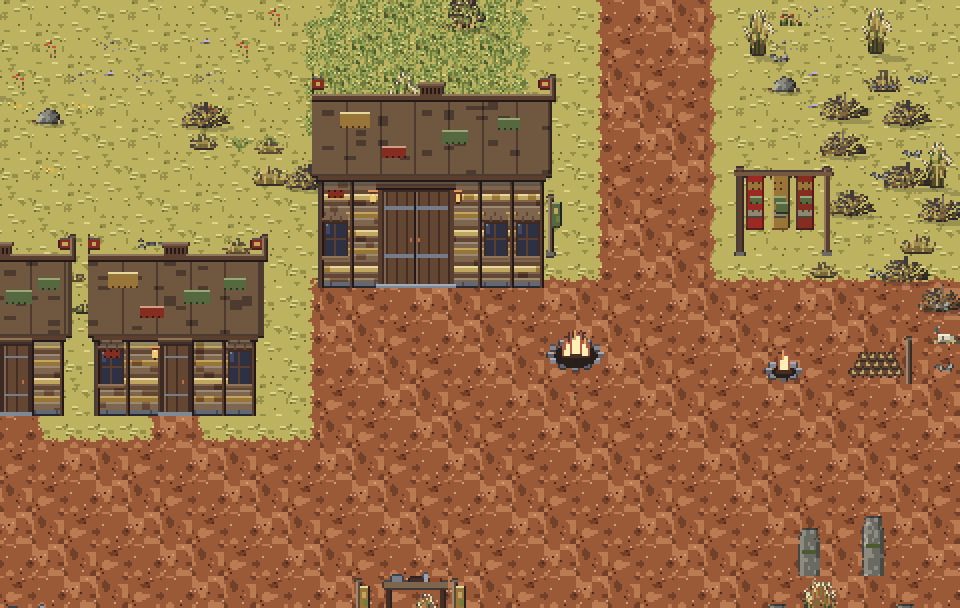
The Free Banners are playable on Haven: orcs, called Bannerkin in the game, start as Warrior or Shaman in Drumhollow and travel across the Sunscorch Steppe to Mootstand.
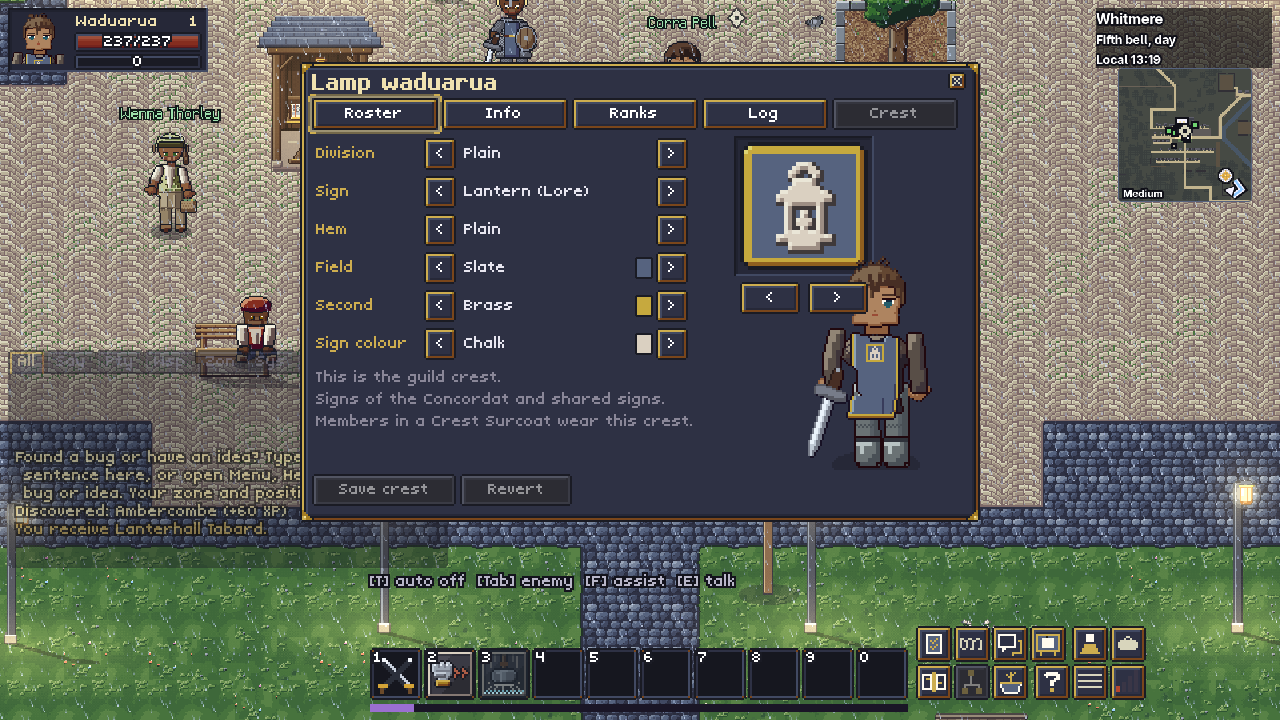
Since 17 November you can found a guild in the alpha, give it a crest and use a guild bank. Also: workshops and home life, conjuring that grows with level, and new resting places.
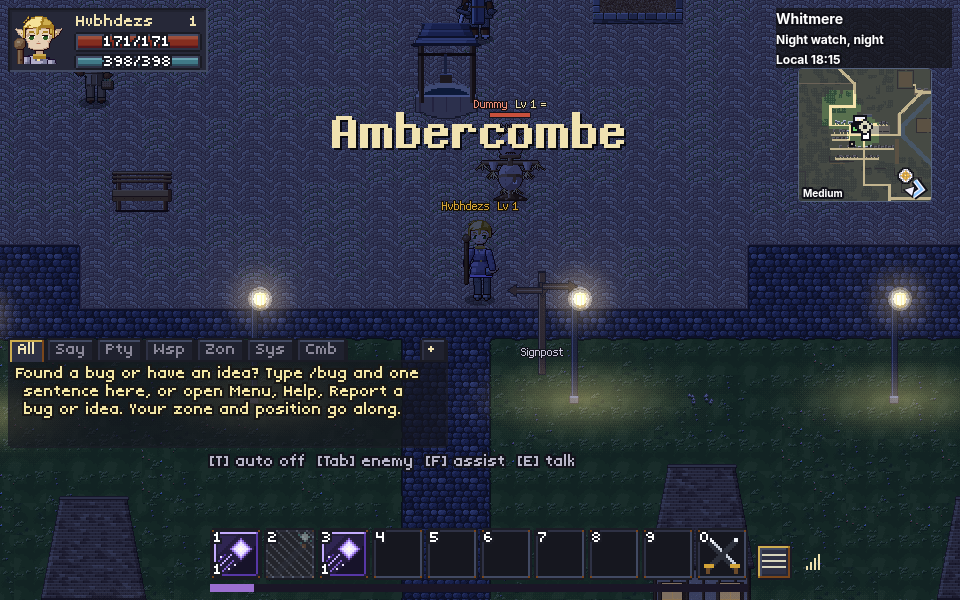
Haven now goes up to level 25. Also: better logging out, a more exact map, a fiddler in the inn and a cat in the village.
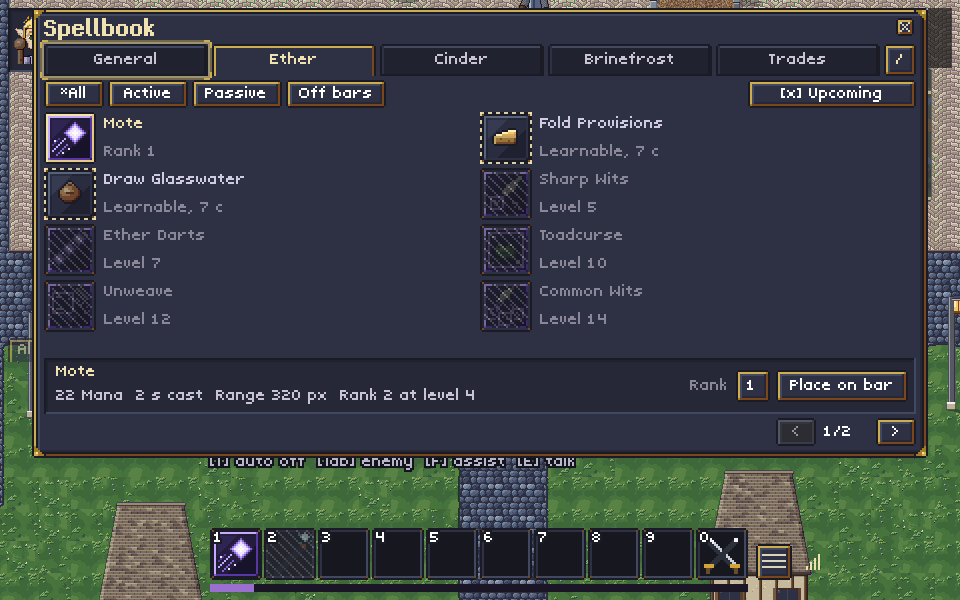
The spellbook has been reworked, and the first great quest arcs of the Concordat begin, with their own tab in the quest log.
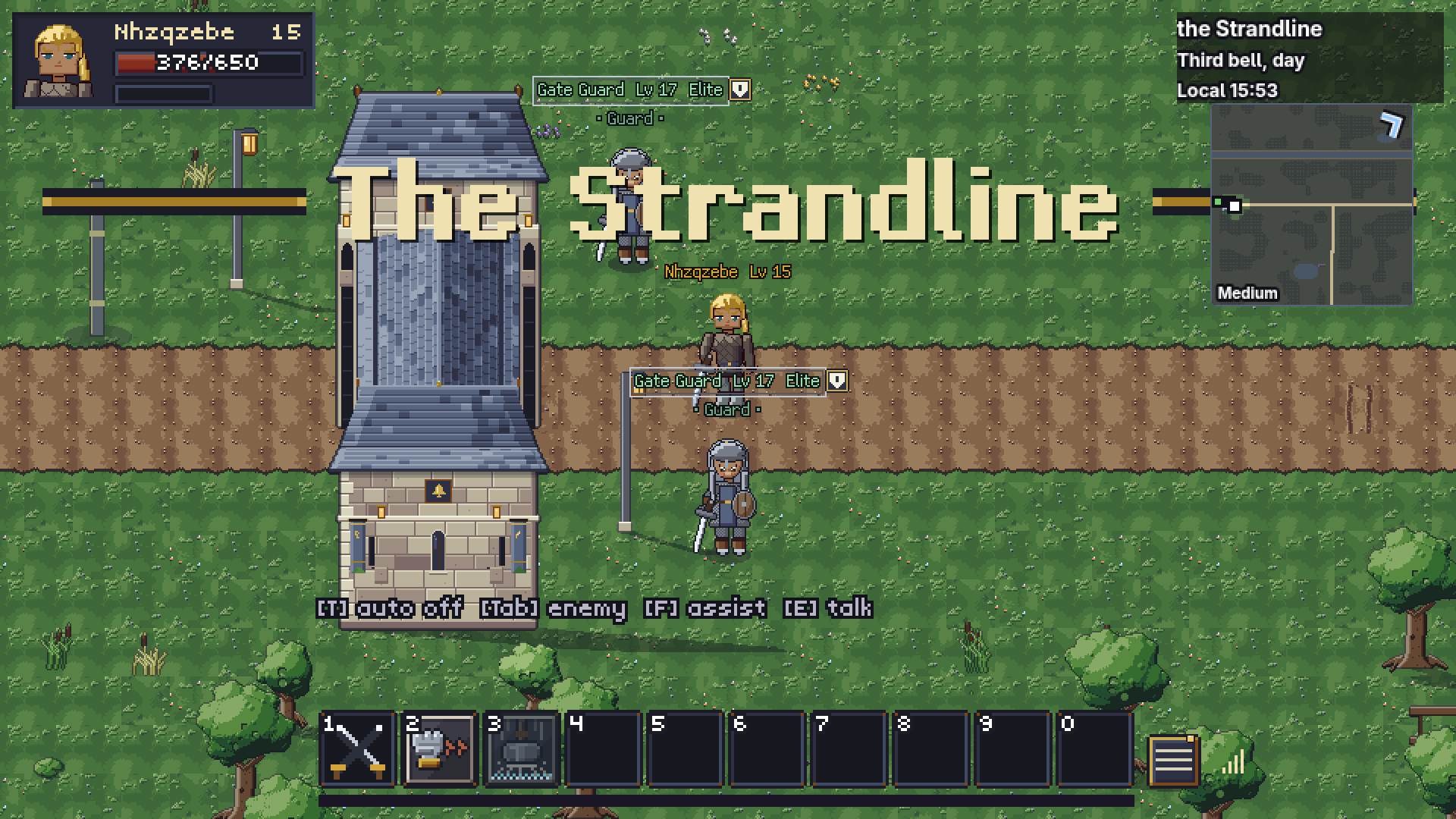
Beyond Lanterford Vale a coastal strip without a sea begins. Three places, new quests, and the level cap rises to 22.
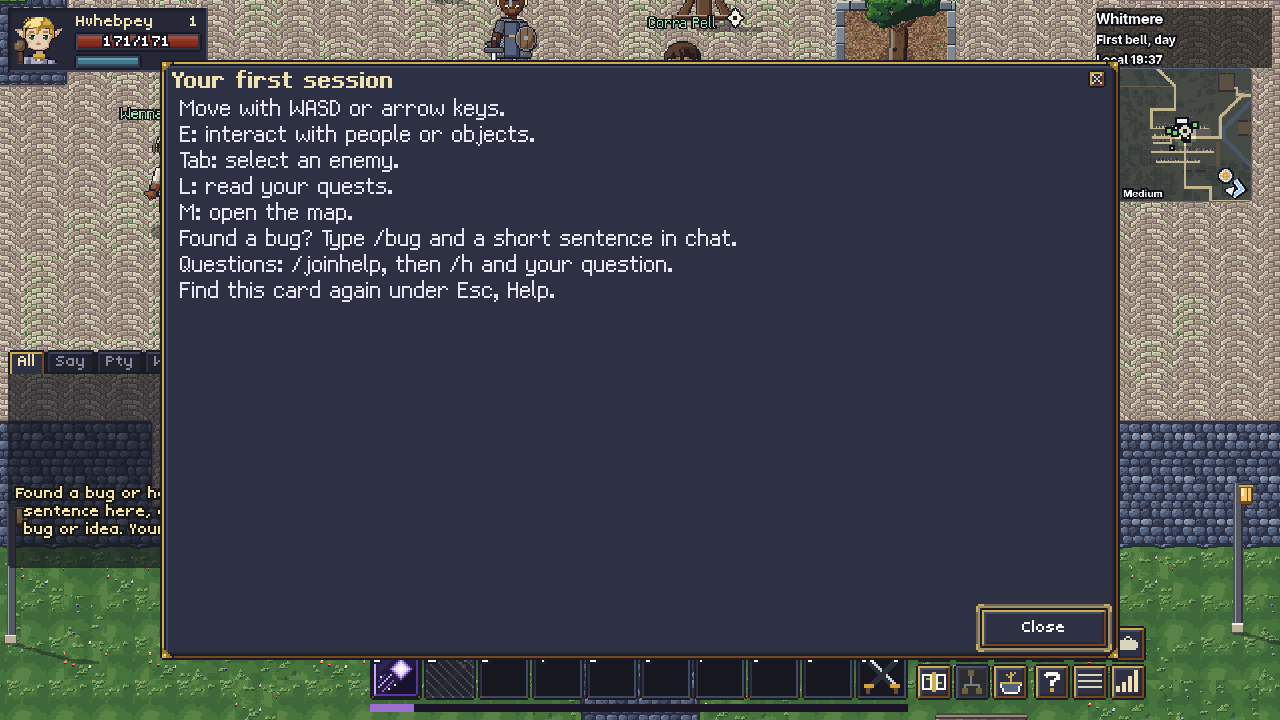
A tip card on your first visit, a guide to the first steps, clear ways to report bugs and ideas, a list of known issues and two short, optional questionnaires.
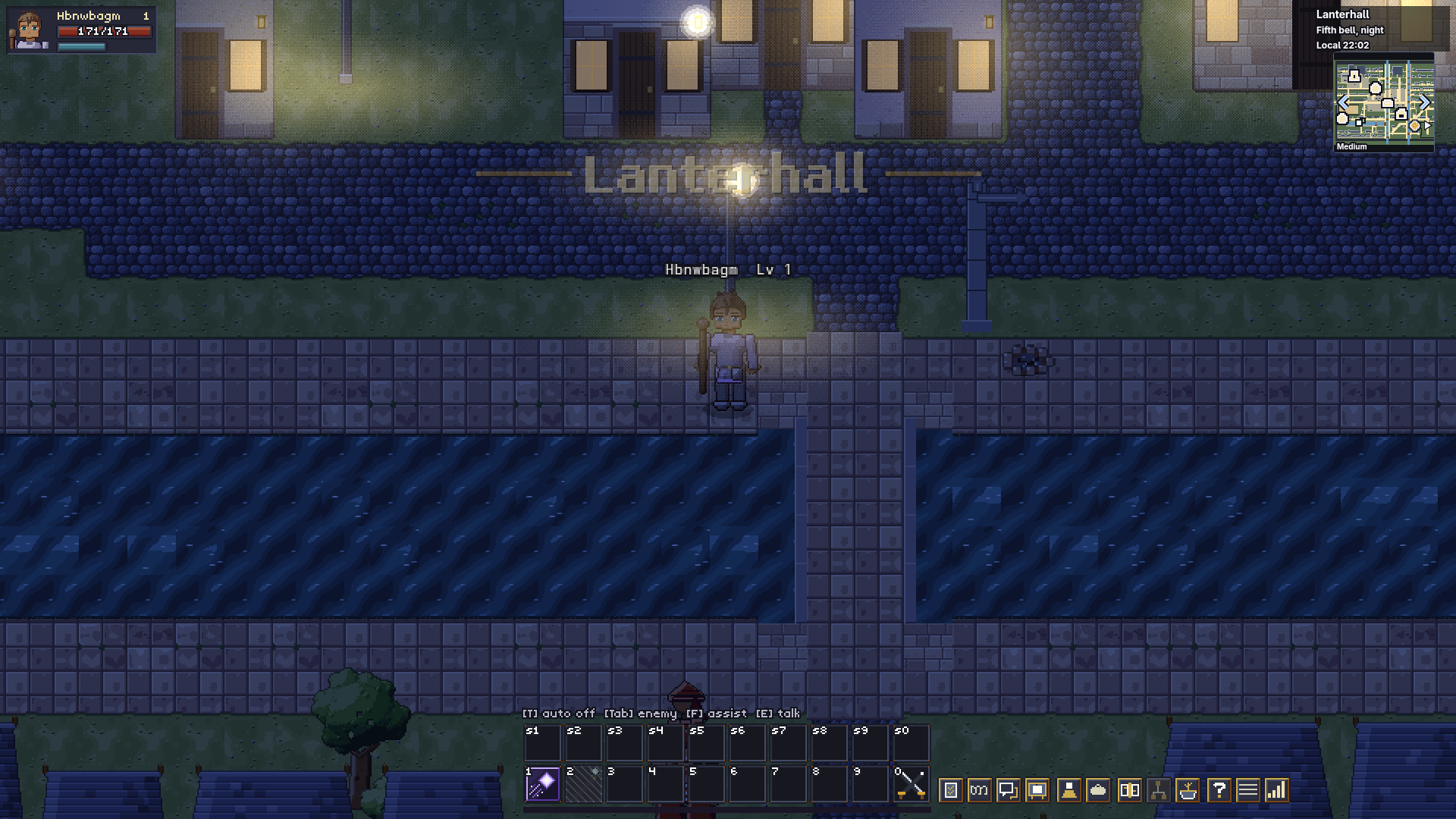
How Saltwarden Online runs, what it takes to operate, how many people the server carries today and why we are not naming a euro figure yet.
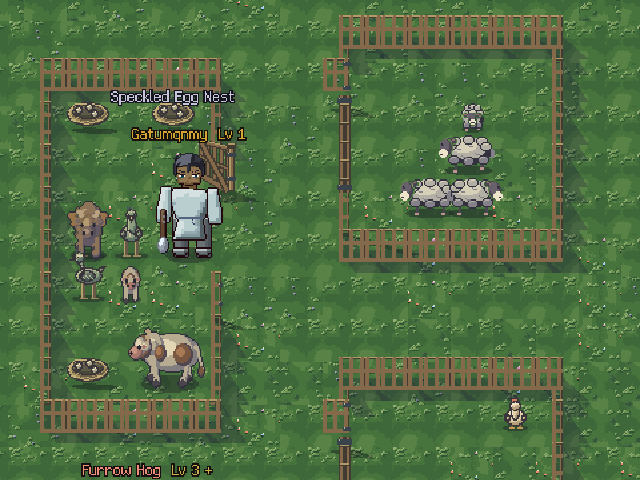
Livestock moves into the farmyards, chimneys smoke at certain times of day, the heath in Whitmere grows denser, and the Warrior receives two noticeable improvements.
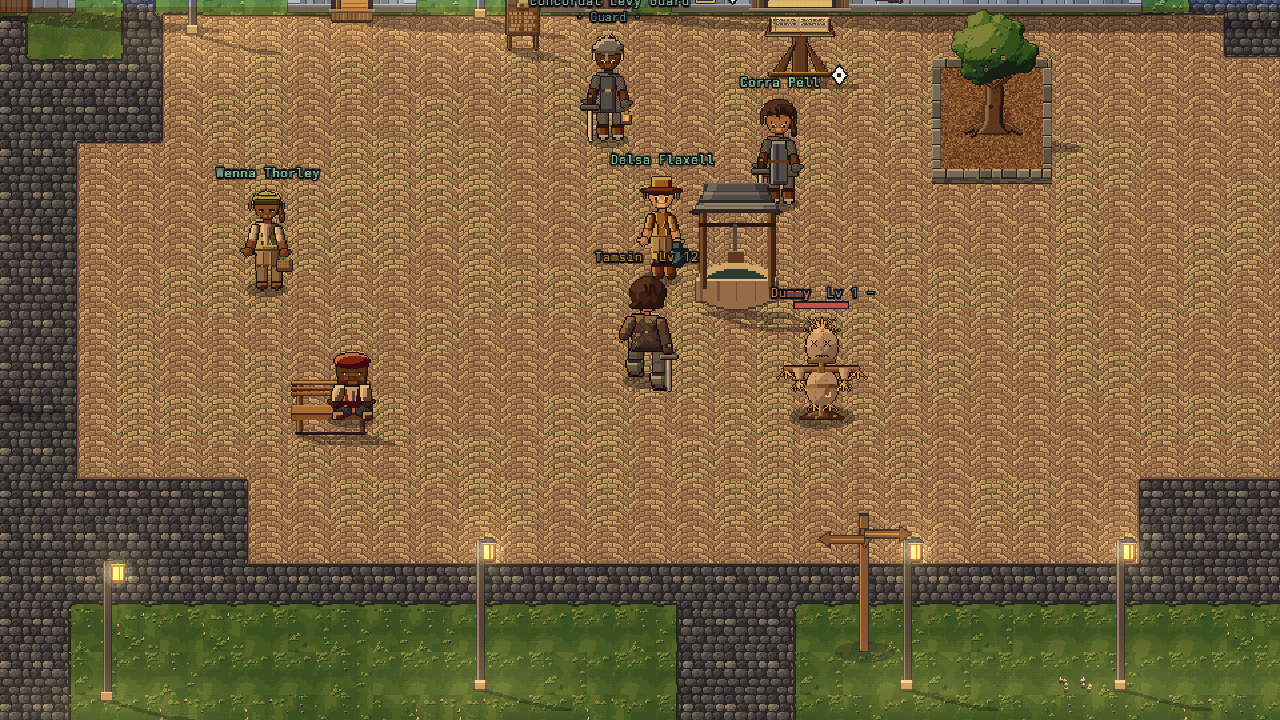
Guards now differ by location, spells miss high-level enemies more often, herbs are easier to find, and a path in Whitmere no longer ends in the grass.
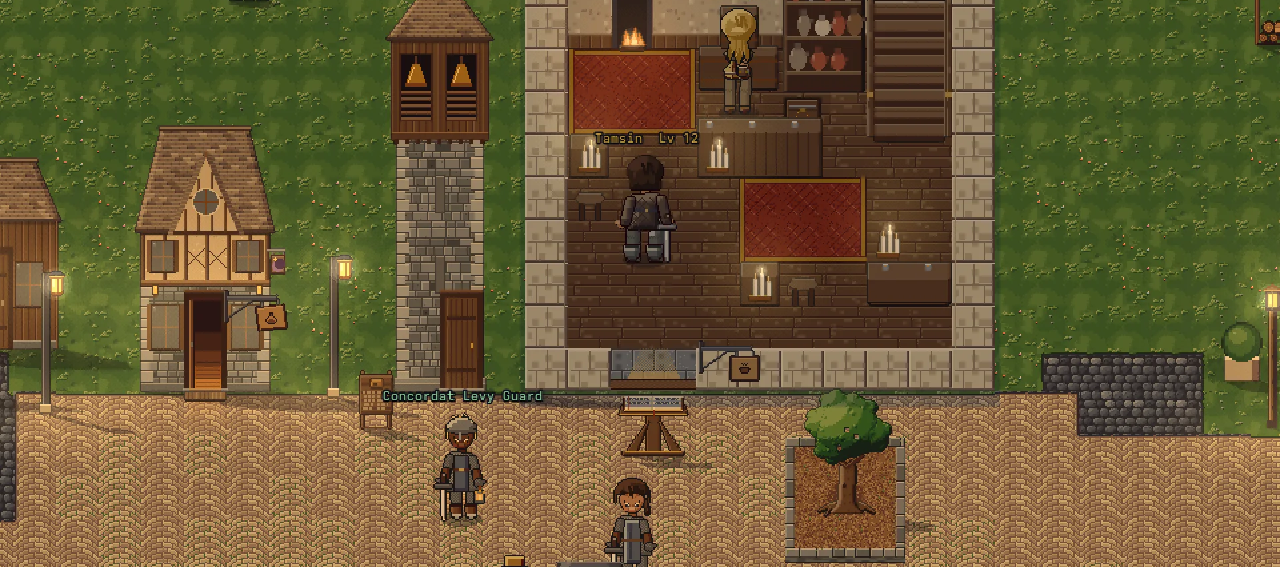
Wingpost is in the game, you can learn more weapon families in Lanterhall, Alt casts on yourself, and the Ferry Light has more going on.
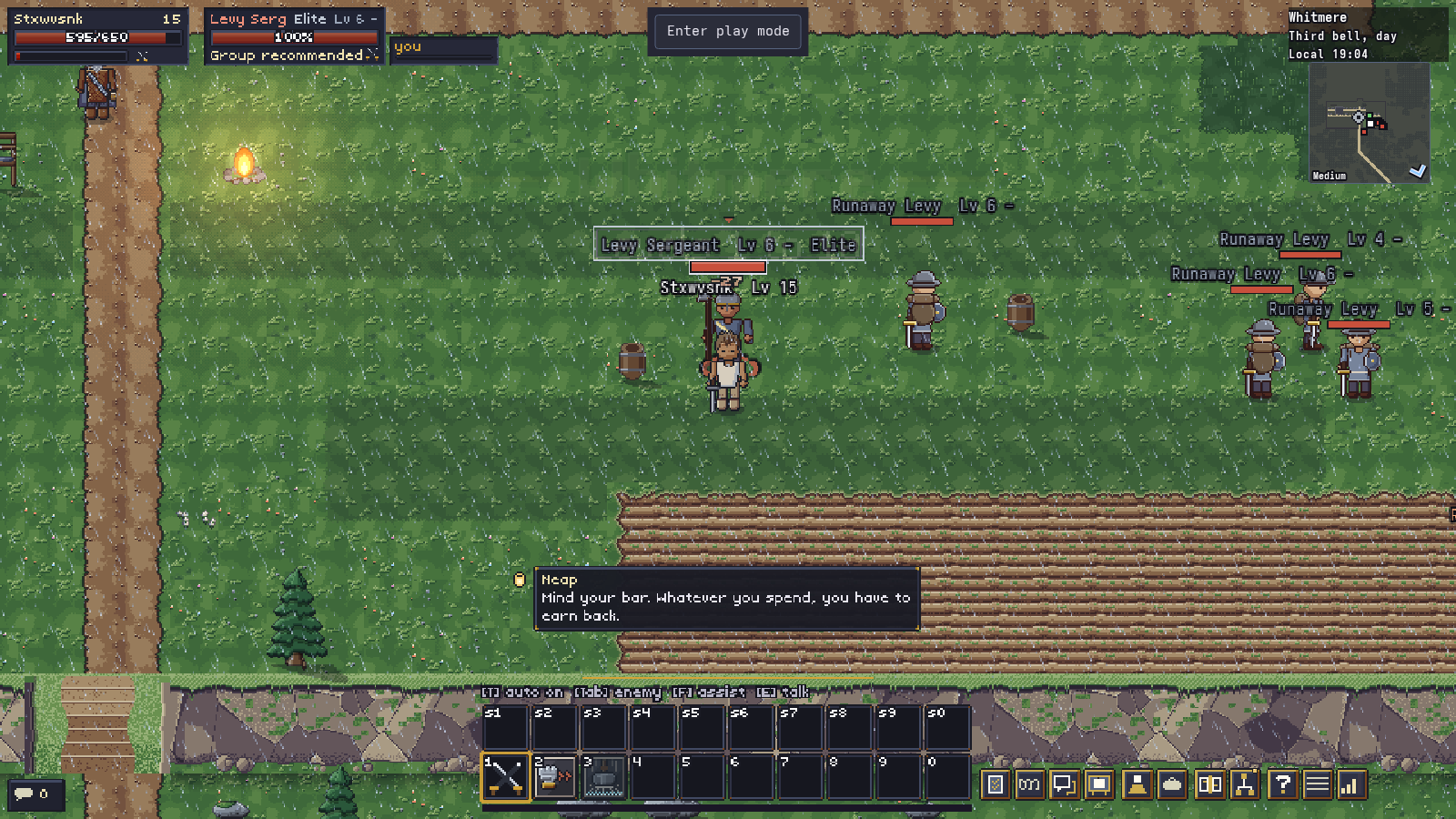
Duels count dodge, parry and block, belts show on your character, and buffs no longer stack unnoticed.
Townsfolk follow the bells, quests can ask for a conversation, cliff stairs are as wide as the road, and animals now live in cellars and yards.
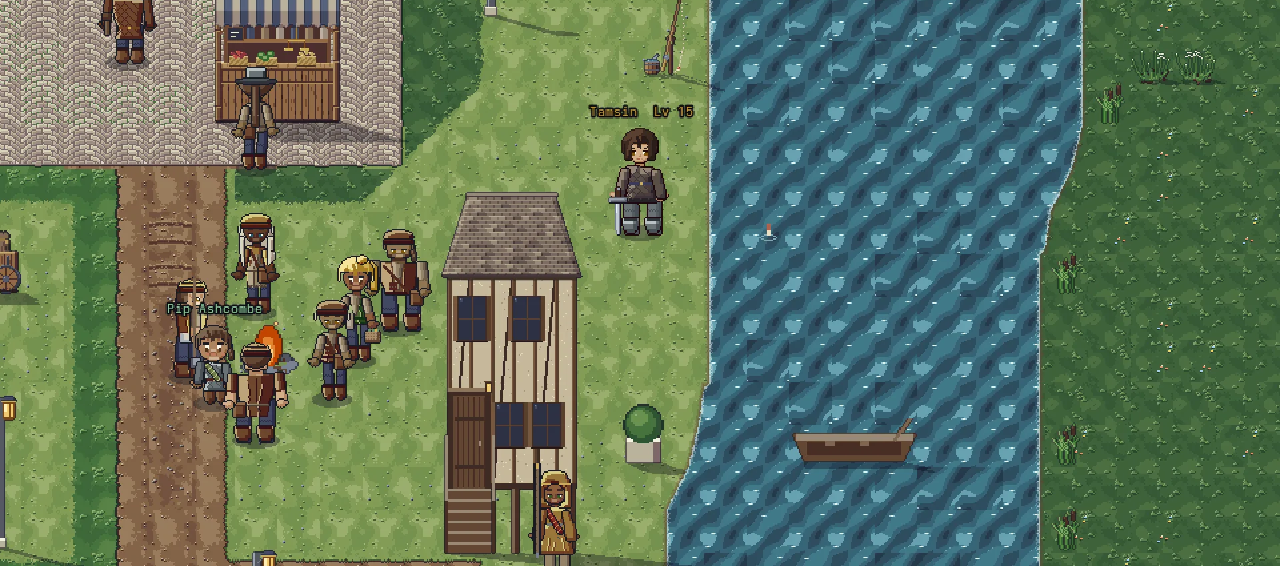
Fishing and cooking are playable, the wilds are livelier, eleven houses have an upper floor, and NPCs now show a role line under their name.
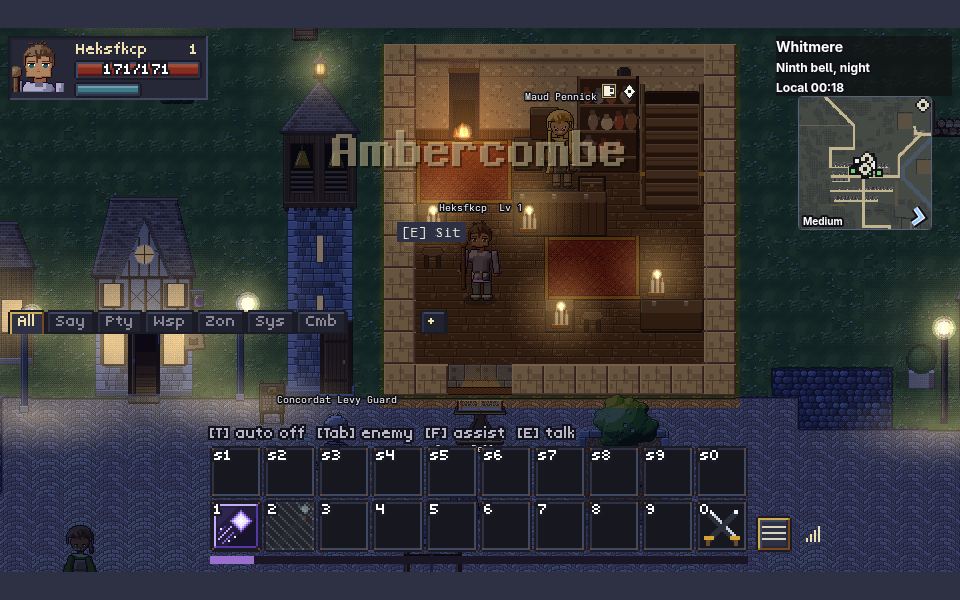
Warm inn rooms, an open auction house and enemies that fetch help. Plus small scenes in town and clearer paths along the water.
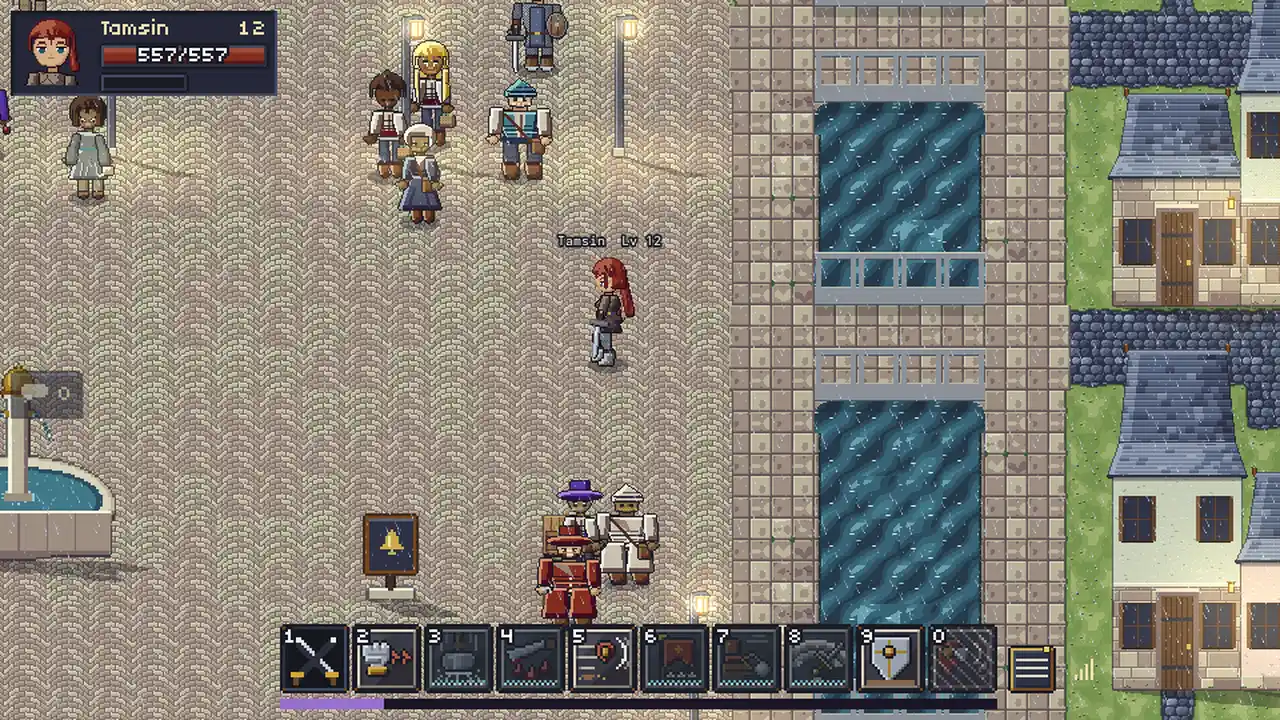
People who work instead of just standing, a small professions trial with herbs, draughts and bandages, bridges in Lanterhall, and an auction house that is coming soon.
Skills that grow through use, 48 new items with a choice at the end of a quest, a rarity order you can read, and mages who conjure food and drink. Plus what comes next, without dates.
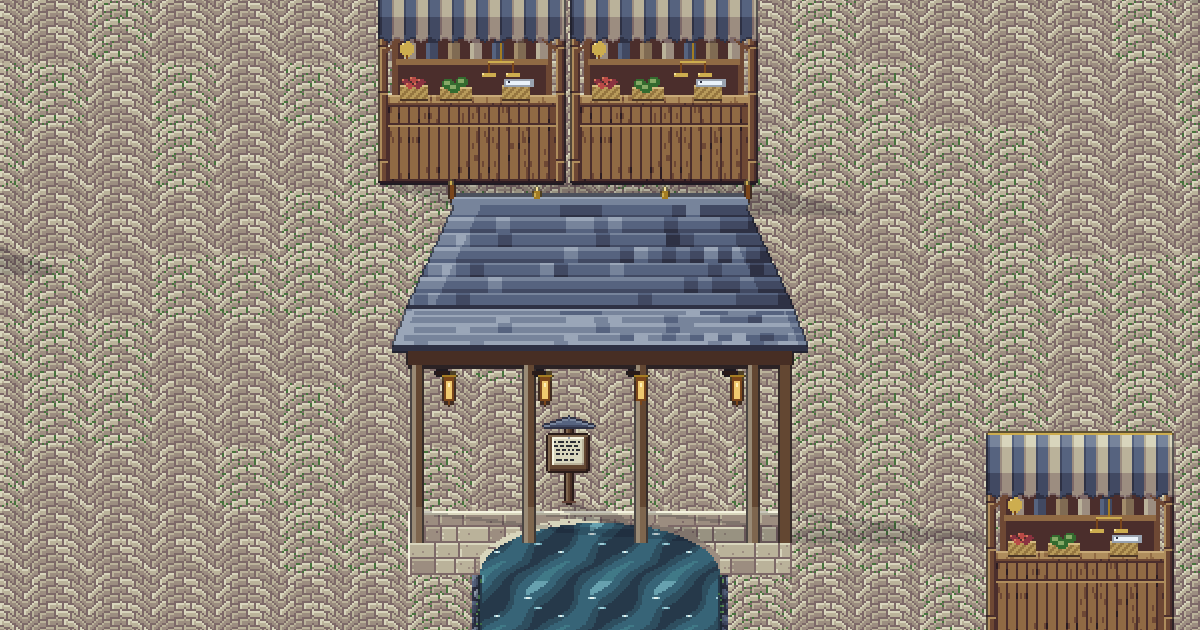
Wider openings over the water, square paving on the market crossing and kitchens behind twelve front doors. Plus footsteps that follow the ground and warm light at the foot of lamp posts.
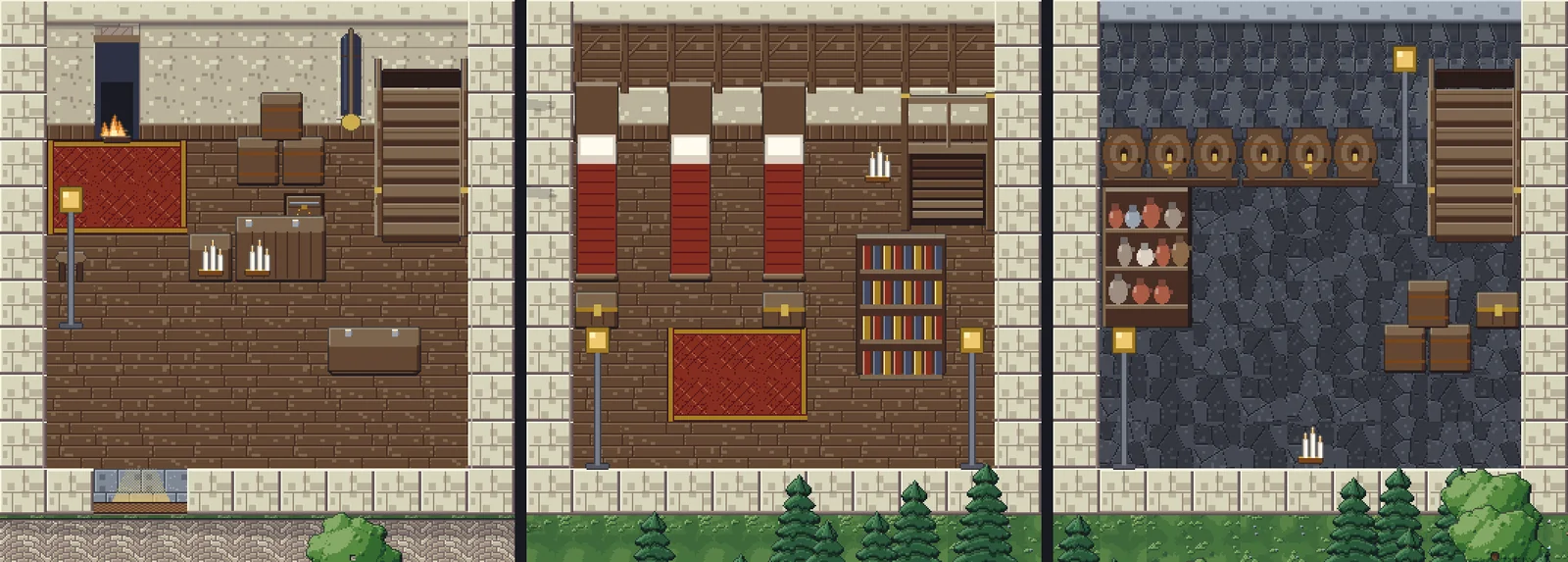
Twelve body types, starting clothes per class and an intended fallback while loading. Plus a guest floor and cellar with stairs in two inns, and busier everyday life in the towns.
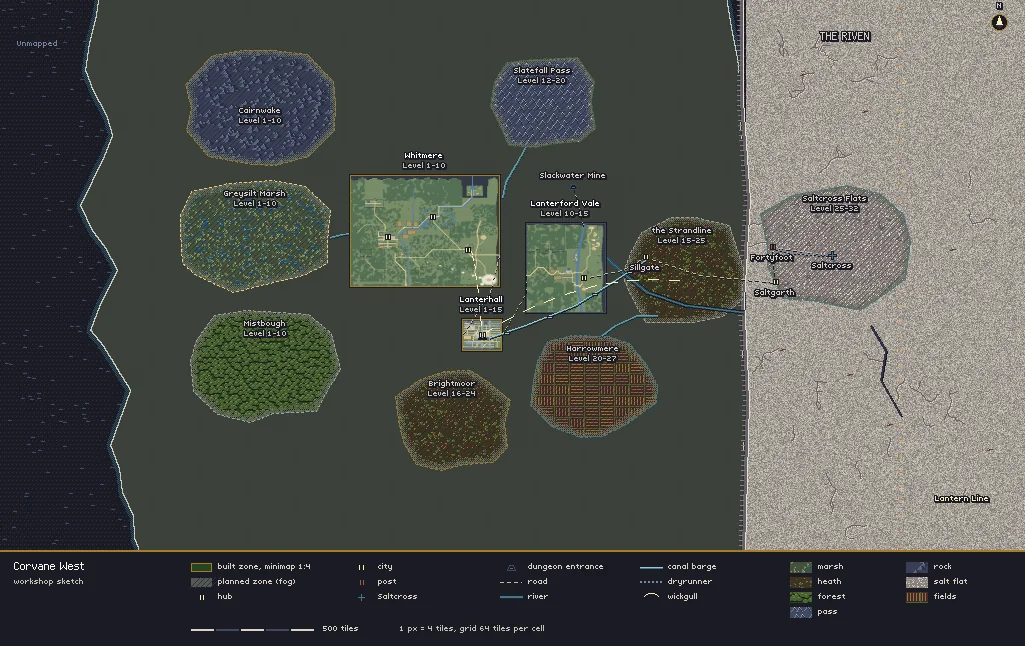
The world map arrives in the game, with a freshly painted map underneath. Plus guests and night in the inns, a full market day, calmer interiors and a visible shirt under the armour.
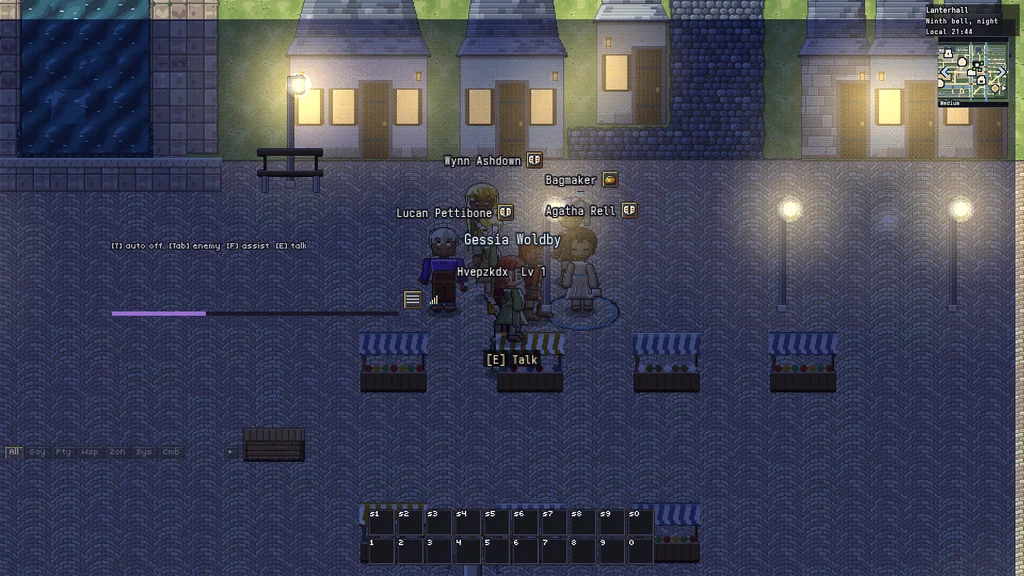
Three body types and new faces, nameplates above characters and more variety in town: the 23 and 24 October update brings figures and places together.
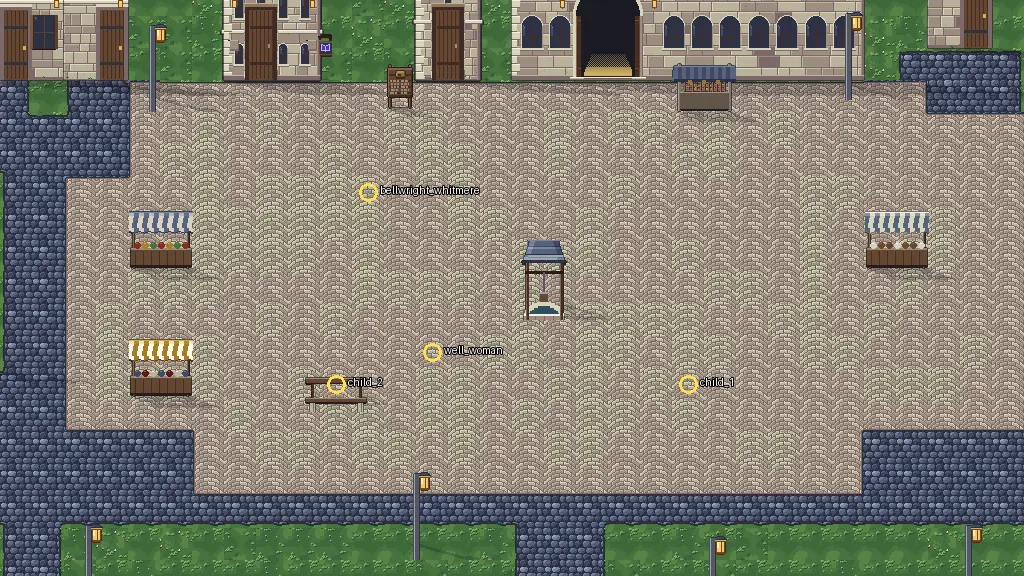
The 22 and 23 October update brings revised paths, signposts, wandering townsfolk and movable windows. Pre-alpha work continues; entry will begin later with a small friends test.
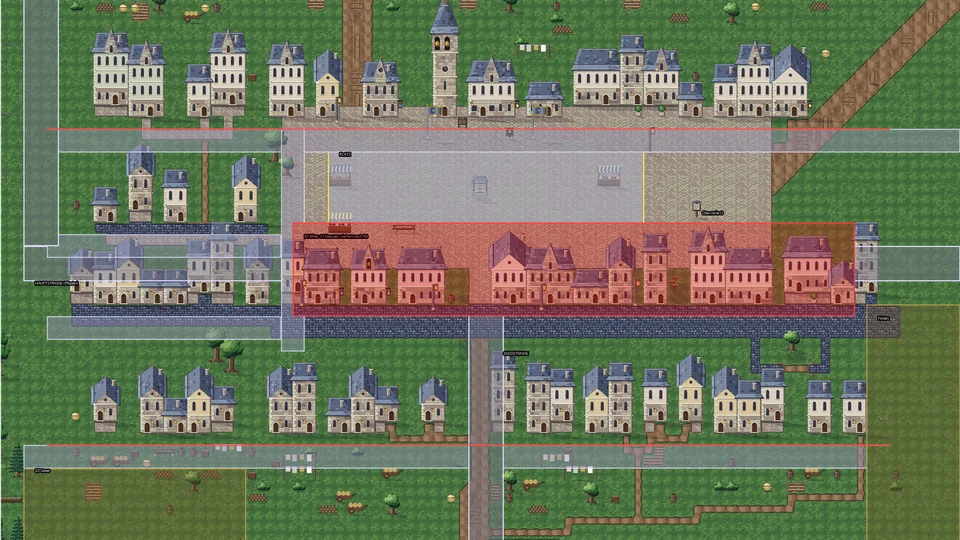
A square needs more than paving. Plan A for Ambercombe arranges doors, lanes and settlement edges around its paths.
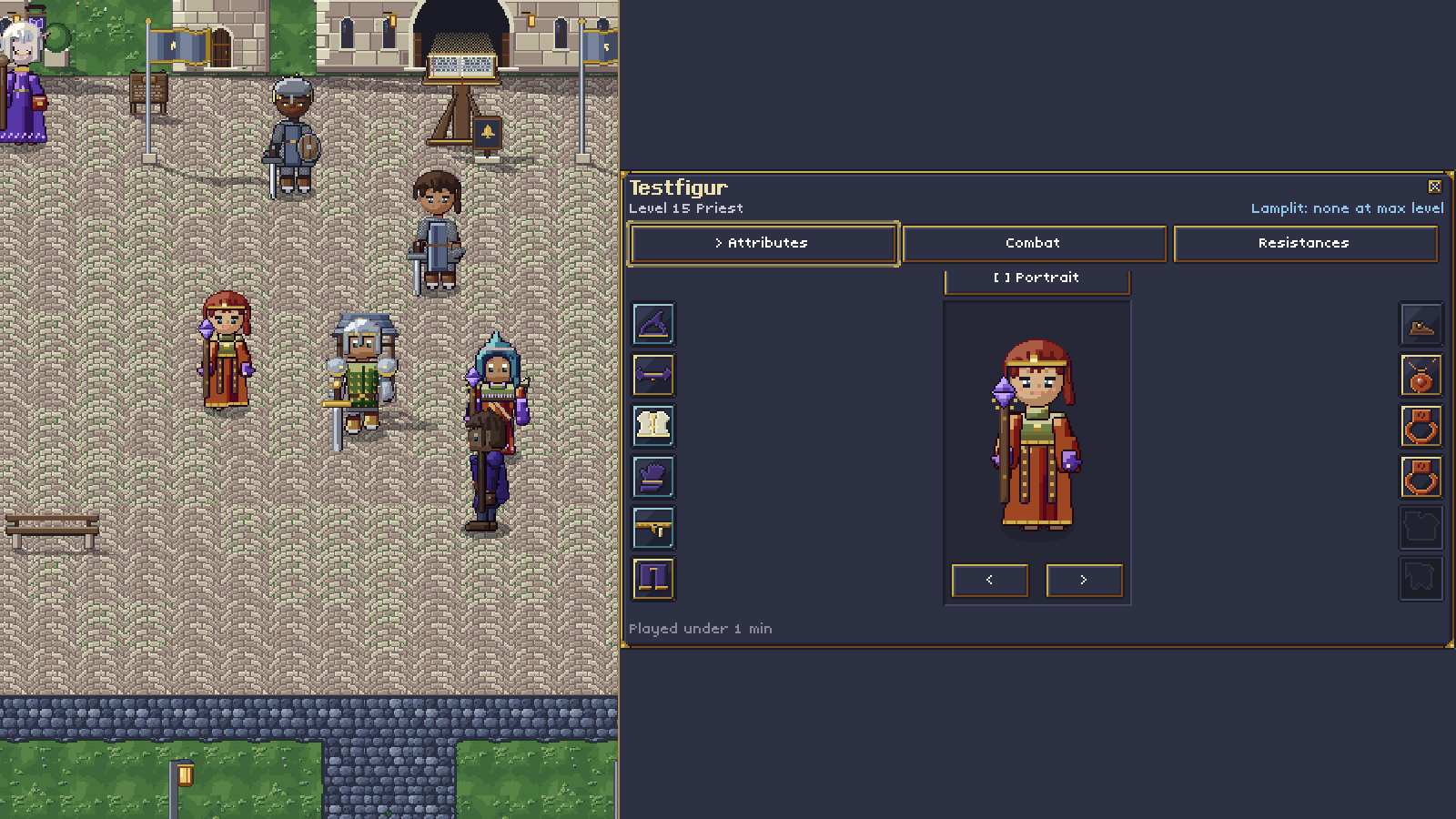
Why we are rebuilding places from the ground up and drawing finer characters: streetscapes, signposts and inspection from the workshop, with checks still open.

A grey world, kicks back to the realm list, menus without tabs: what a week of phone tests showed, and what we built from it.
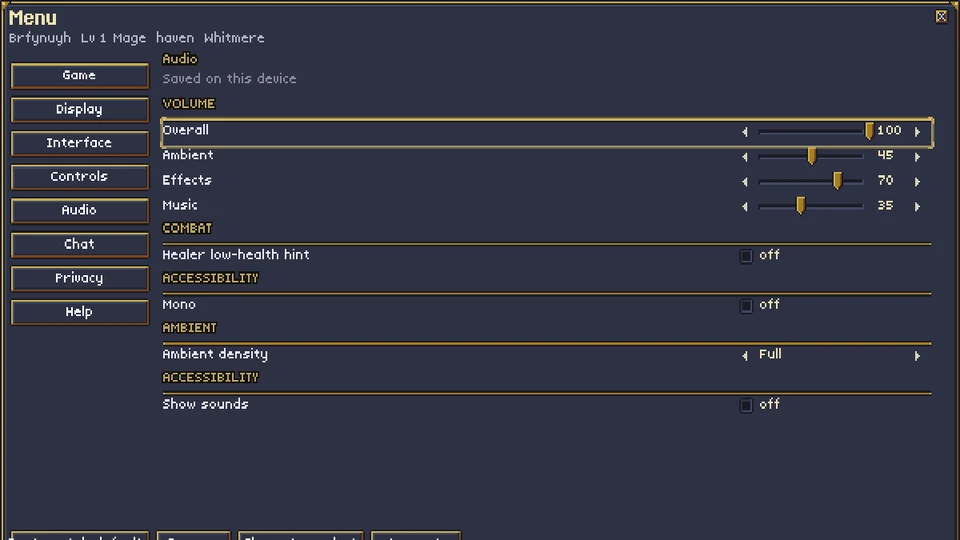
The menu brings settings and help together. Keyboard and controller reach the same tabs, while the world keeps running.
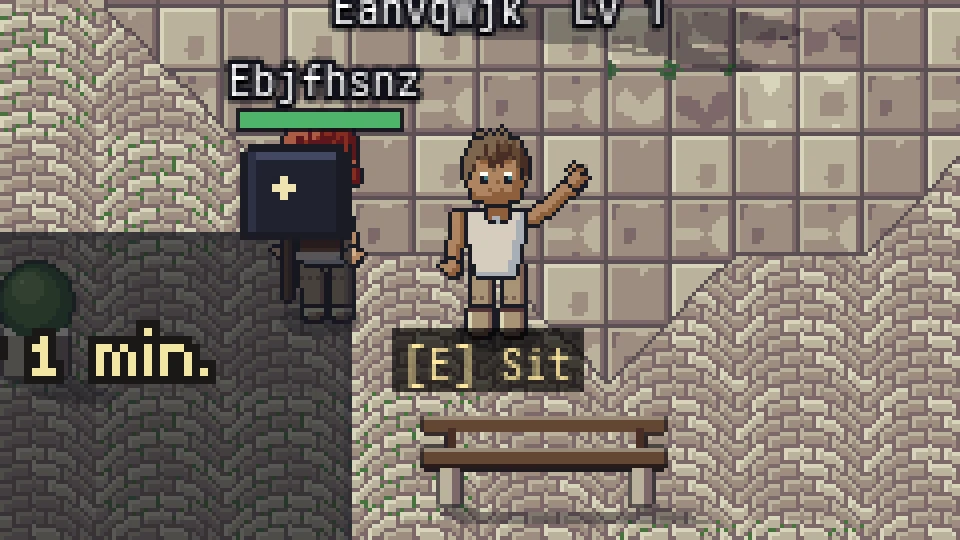
Waving, kneeling, clapping: expression gets its own place in the social window. The little hop remains a gesture in place, without a movement advantage.
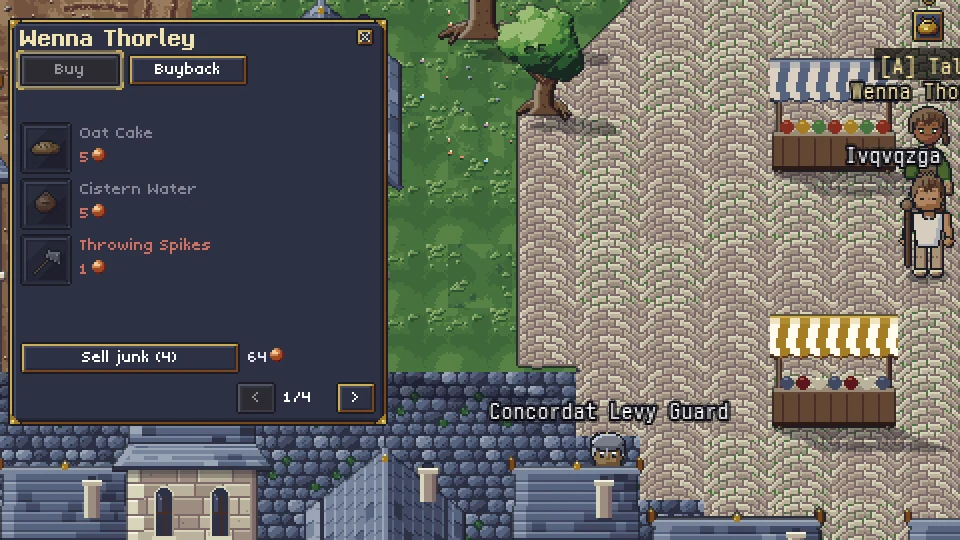
Pick up loot, find it again and clear out junk at a vendor: the inventory has search, filters, sorting and a dedicated junk sale. Visual sign-off is still pending.
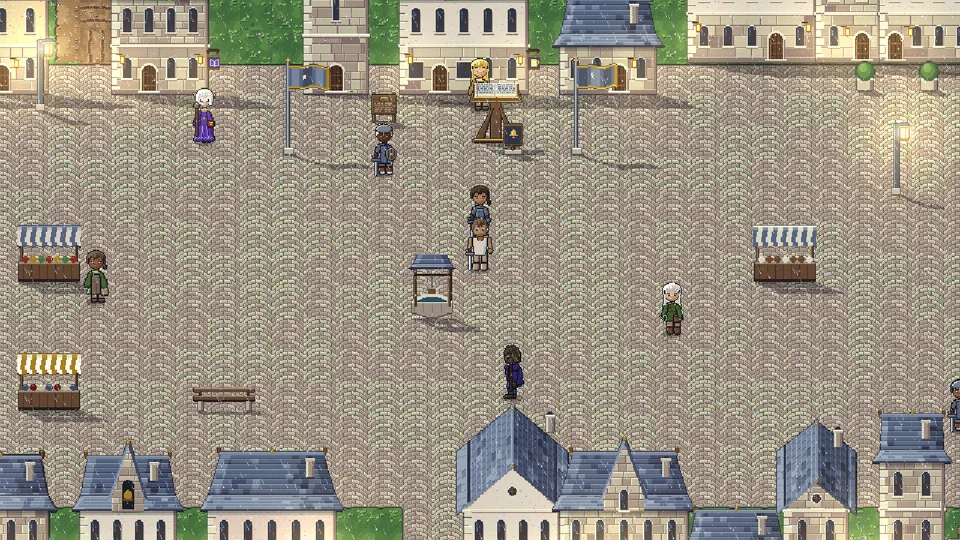
Conversations, the quest log and a book in Ambercombe give tasks a visible place. The register name remains a proposal, and this post leaves quest outcomes to discover in the game.
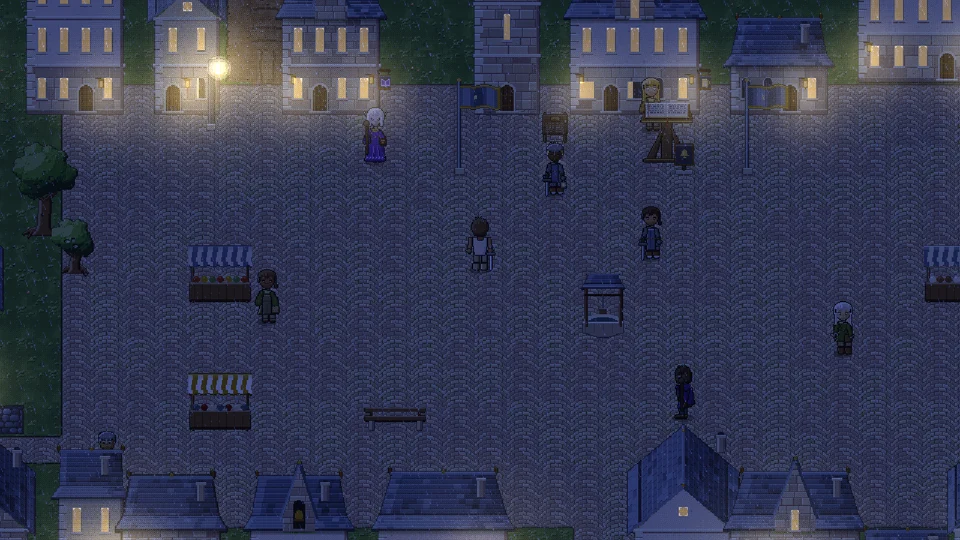
Night changes the view of houses and paths in Ambercombe. The world clock and lanterns are built; checking how readable the scene remains is part of visual sign-off.
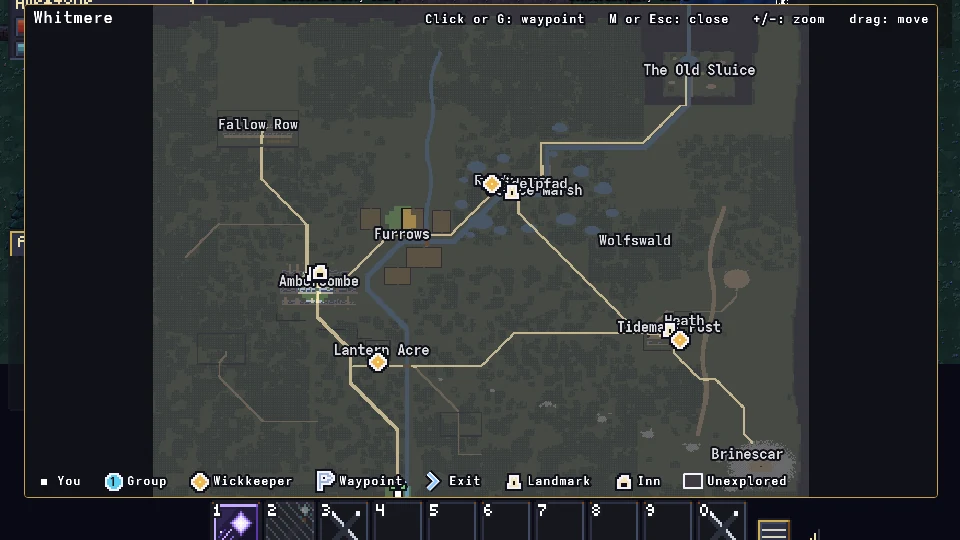
From Whitmere through Lanterhall into the vale: the built zones have connected paths. The minimap, zone map and waypoints help with navigation; long-distance travel belongs to the plans.
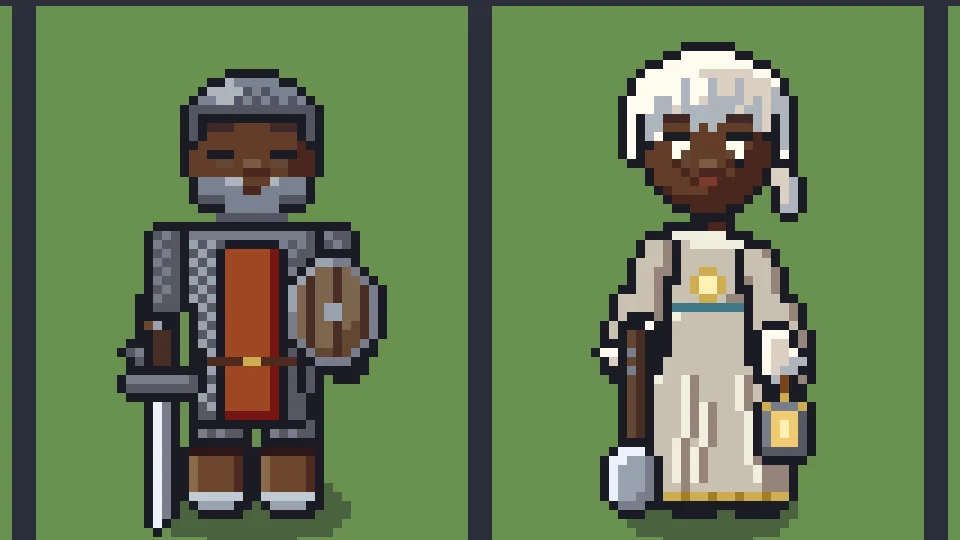
I played the game myself on the local network for the first time. Here is what was broken or awkward, and what has been added since.
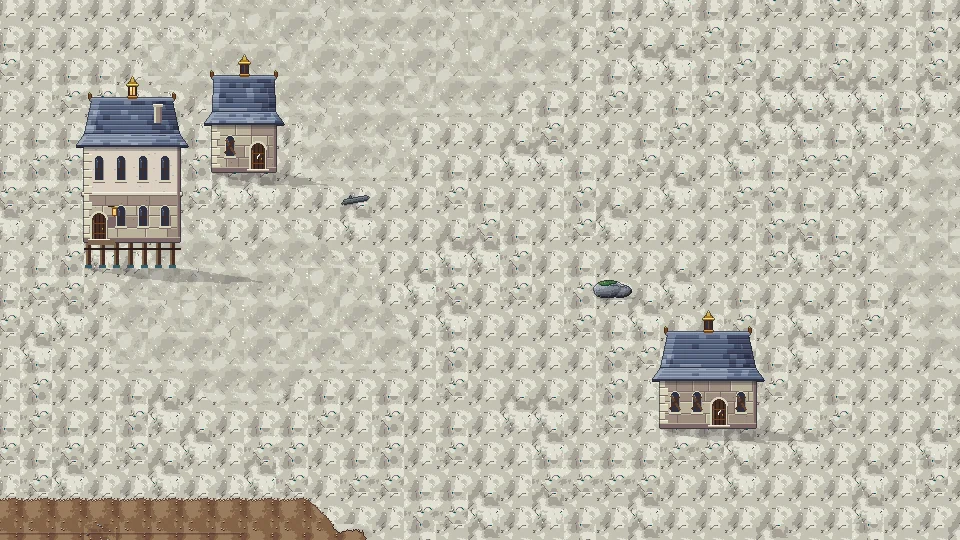
I have decided that the world grows over years instead of shipping finished on day one. Here is what that looks like and what I will not hand off.
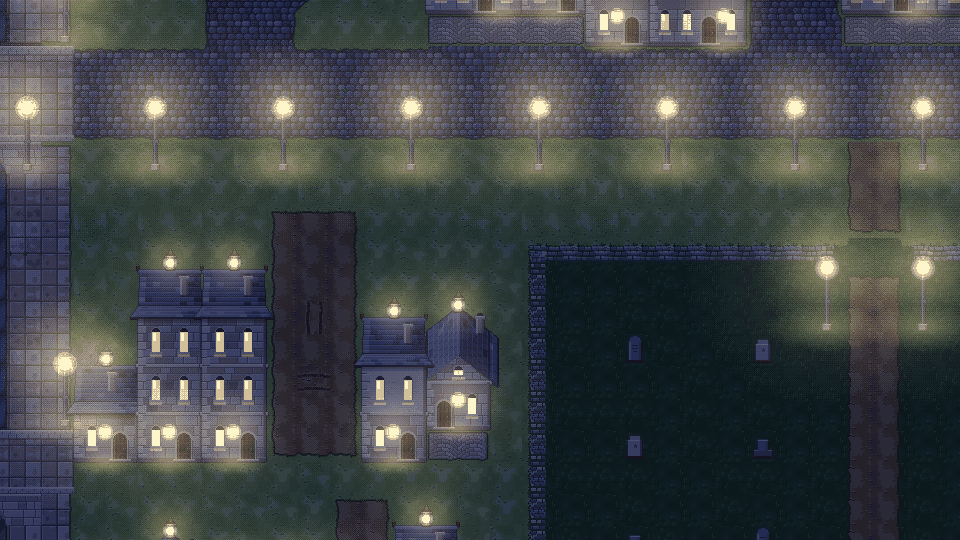
Vessar now has a calendar, a world book, three questions without answers and a flame in the lantern. Plus a code of what the game will never do.
Until now the game was called Rivenward. From today it is called Saltwarden Online. World, canon and accounts stay, only the title and the address change.
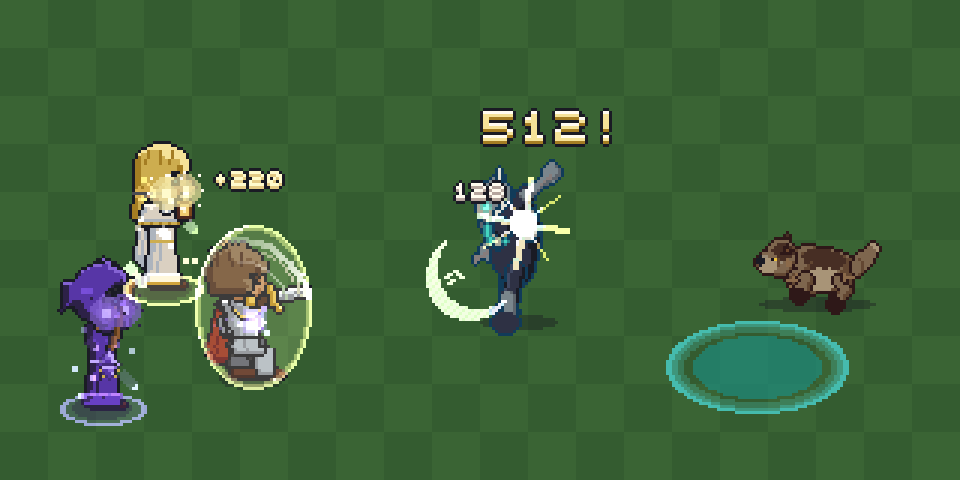
A style guide, a new environment, a new character rig and twenty effects, all built by code and reproducible at any time. No AI images.
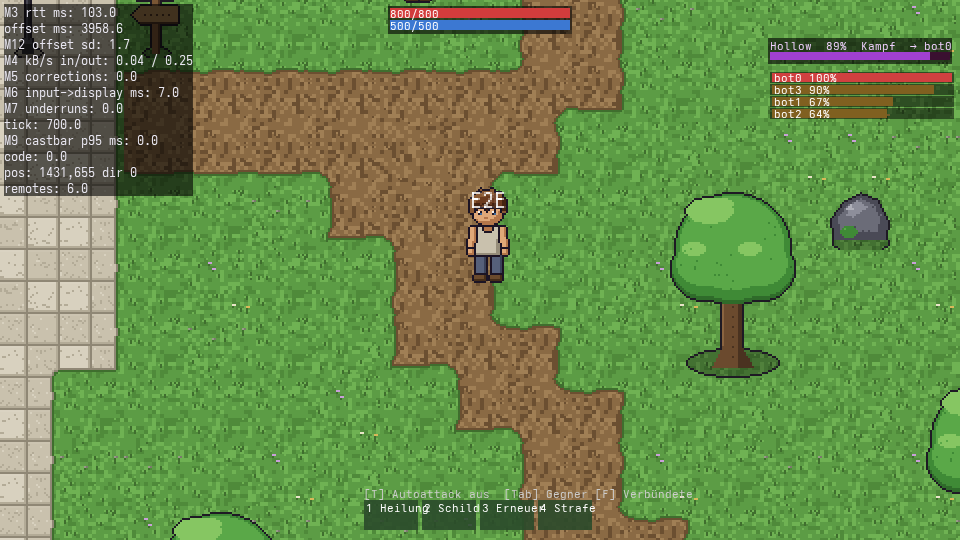
Twelve hard metrics, all green, even with 200 bots at 150 ms latency. What the spike built, what it measured and what is still open.
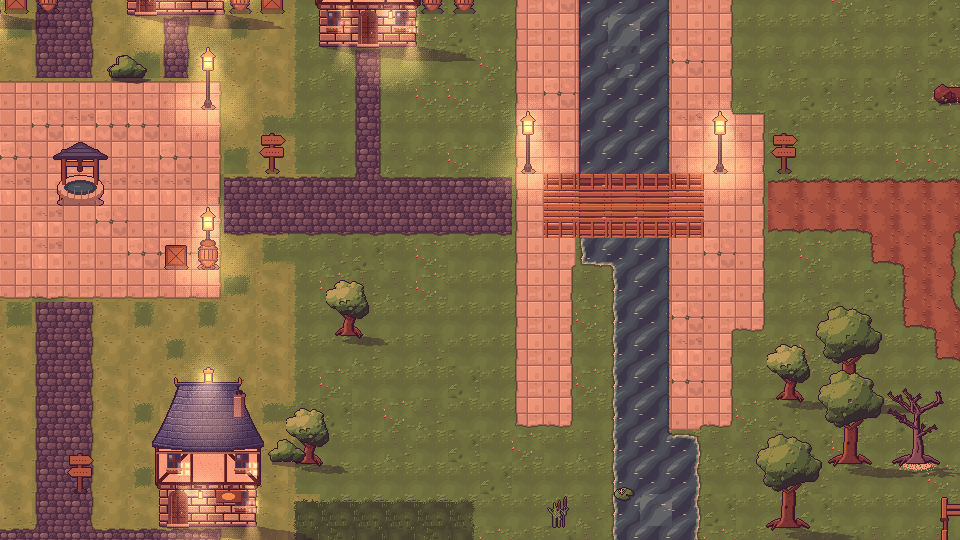
On 7 October 2026 Rivenward found its line: the rules of the classic MMORPGs, a world of its own, and an honest test with kill criteria before a single line of game code.
